Safe Structural Demolition In Houston TX
Safe architectural demolition in Houston, TX, is an essential concern that calls for careful attention. Various variables add to an effective demolition project, including security procedures, environmental effects, and the current modern technology. Recognizing the nuances of permits and policies is likewise crucial. As metropolitan advancement proceeds to develop, so as well does the approach to demolition. What are the most effective techniques that guarantee both security and effectiveness in this intricate area?
Understanding the Demolition Process
Demolition includes a methodical technique to dismantling frameworks securely and effectively. The procedure begins with complete site evaluations to examine the building's condition and bordering setting. This assessment includes identifying dangerous materials, architectural integrity, and possible dangers. Complying with the assessment, a comprehensive plan is developed, laying out the approaches and equipment needed for the demolition.
The following action entails securing necessary authorizations and alerting local authorities. The demolition team can set in motion to the website once approvals are in place. Different methods, such as mechanical demolition or regulated dynamites, may be used depending upon the building's dimension and place.
Throughout the demolition, continual monitoring guarantees compliance with laws and lessens ecological impact. Particles removal and recycling are integral components of the procedure, promoting sustainability. Eventually, the objective of the demolition process is to get rid of the site while sticking to lawful, ecological, and operational criteria.
Safety And Security Procedures in Structural Demolition
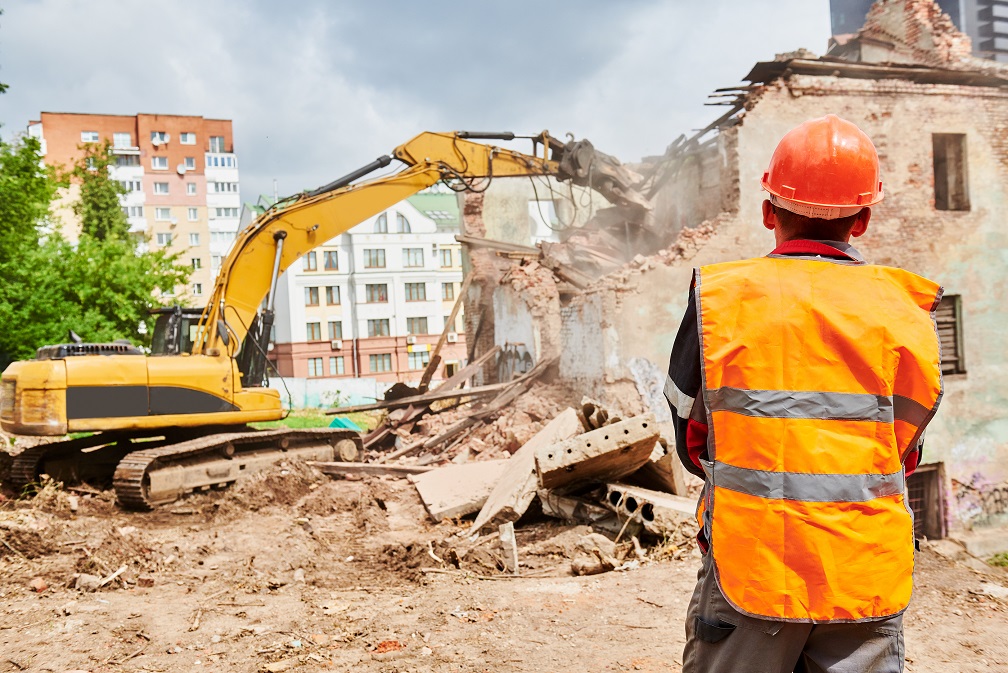
In structural demolition, implementing effective safety procedures is essential for reducing risks. This involves complete risk analysis treatments, making certain the use of appropriate personal protective equipment, and establishing comprehensive emergency response strategies. Complying with these measures not only protects employees yet additionally boosts general website safety and security.
Danger Assessment Procedures
Before any type of structural demolition task starts, a detailed threat evaluation is vital to safeguard the safety of workers and bordering areas. This process includes recognizing prospective threats connected with the demolition website, including architectural instability, unsafe products, and environmental problems. A detailed evaluation includes taking a look at building strategies, conducting website evaluations, and reviewing the bordering area for potential dangers. Furthermore, stakeholders need to take into consideration the effect of vibrations, sound, and dirt on nearby properties. The searchings for from the risk evaluation educate the growth of security protocols and treatments customized to minimize determined dangers. By prioritizing thorough danger analysis, demolition companies can boost safety requirements and promote compliance with neighborhood laws, inevitably shielding both employees and the public throughout demolition tasks.
Personal Safety Tools
Individual protective equipment (PPE) acts as an important line of protection for workers participated in structural demolition, ensuring their security in the middle of various hazards. Secret parts of PPE consist of construction hats, which secure against falling debris, and security goggles that shield the eyes from dust and flying bits. Respirators are very important for filtering system damaging airborne impurities, while gloves give hand protection versus sharp items and harmful products. Steel-toed boots are needed to avoid foot injuries from hefty equipment. High-visibility vests enhance employee exposure in busy environments. In addition, loss security harnesses are critical for those working at altitudes. Appropriate training in the use and upkeep of PPE is important, as it significantly minimizes the risk of injury and advertises a more secure demolition process.
Emergency Situation Action Preparation
Efficient emergency situation reaction planning is crucial in the domain name of structural demolition, where unpredictable hazards can develop at any kind of minute. A comprehensive strategy must recognize potential risks, such as architectural collapses, dangerous products, and devices failures. This plan ought to detail certain treatments for interacting emergency situations, leaving employees, and collaborating with local emergency situation services. Regular training drills are essential, making sure that all employee understand their functions and obligations during a dilemma. In addition, maintaining upgraded call information for emergency responders and clinical facilities improves readiness. By prioritizing these security methods, demolition groups can decrease dangers and safeguard employees, close-by passengers, and the setting, eventually cultivating a safer demolition process in Houston, TX.
Environmental Considerations for Demolition Projects
Ecological considerations are important in demolition tasks, as they directly effect local environments and areas. Efficient waste management practices, appropriate handling of hazardous materials, and the execution of eco-friendly strategies are vital for minimizing ecological damage (best demolition contractor in houston). By prioritizing these aspects, demolition firms can add to sustainable techniques in Houston, TX
Waste Management Practices
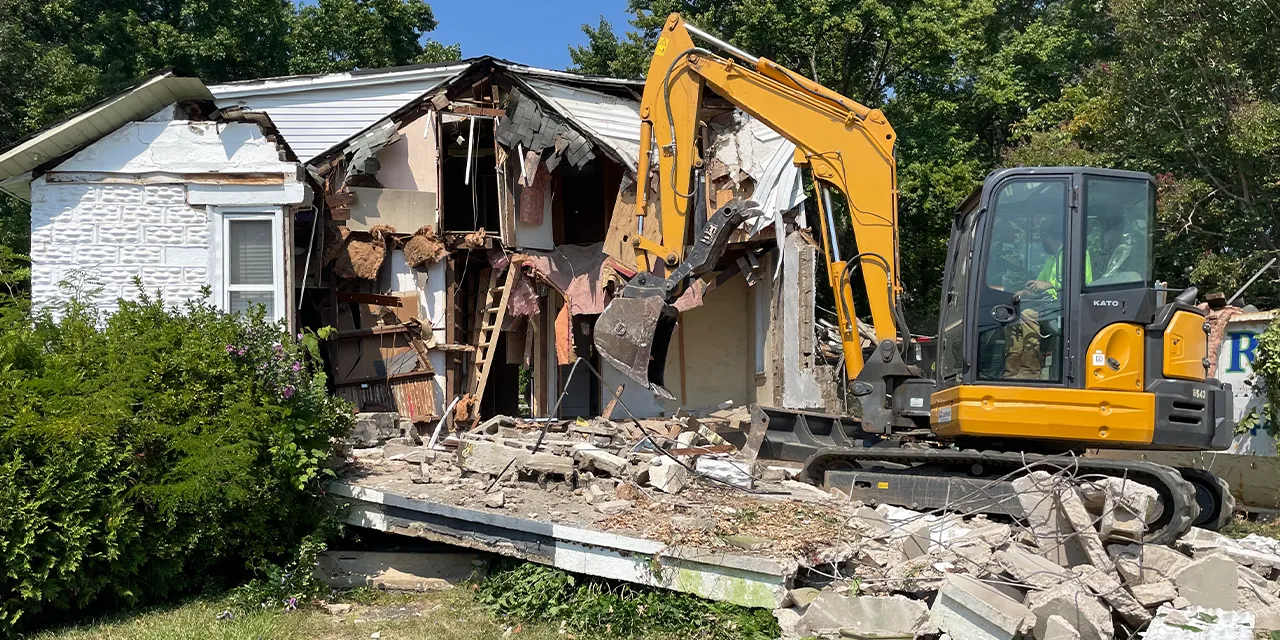
A thorough approach to waste administration is important for decreasing the environmental effect of demolition projects in Houston, TX. Effective waste monitoring practices involve methodical evaluation and segregation of materials, making certain that recyclable and multiple-use resources are identified and drawn away from land fills. Concrete, metals, and wood can commonly be recovered and repurposed, reducing the total waste footprint. Furthermore, using marked recycling centers helps in refining these products efficiently. Incorporating a waste management strategy prior to demolition not only improves operations yet additionally promotes compliance with regional regulations. By prioritizing sustainability, demolition service providers can significantly decrease their environmental impact while contributing positively to Houston's ecological initiatives. Generally, considerable waste management is essential in promoting environmentally-friendly and responsible demolition practices.
Hazardous Product Handling
Proper handling of unsafe materials is a critical part of demolition projects in Houston, TX. Demolition contractors have to identify and analyze possible harmful compounds, such as asbestos, lead, and chemicals, prior to starting any kind of job. Compliance with federal, state, and local policies is important to guarantee employee safety and security and ecological security. Specialized training for employees is required to outfit them with the knowledge to handle these products safely. In addition, suitable individual protective tools (PPE) have to be utilized during the handling and removal processes. Correct control and disposal approaches have to be carried out to avoid contamination of surrounding areas and minimize health dangers. An effective harmful product management plan is essential to mitigate dangers related to demolition activities and protect both employees and the area.
Eco-Friendly Techniques
Executing green methods in demolition projects significantly contributes to lasting practices in Houston, TX. By prioritizing using recycled products, demolition firms can minimize waste sent out to landfills. Recovering recyclable components, such as steel light beams and bricks, not only minimizes ecological effect yet likewise supports regional economic climates. Advanced equipment outfitted with dirt suppression systems further assists to mitigate air pollution throughout demolition. In addition, making use of environment-friendly demolition practices, such as careful deconstruction, allows for a more reliable separation of products, making sure that harmful substances are handled appropriately. On the whole, accepting these environmentally friendly strategies enhances the demolition process, lining up with Houston's commitment to sustainability and ecological duty while advertising a much healthier metropolitan landscape for its locals.
The Function of Innovation in Modern Demolition
Technology has come to be a foundation in the area of modern-day demolition, boosting both safety and efficiency. Advanced machinery, such as robot demolition arms and drones, permits precise procedure in dangerous settings, minimizing human exposure to threats. These developments improve the precision of taking apart frameworks while sticking to safety and security methods.
Building Info Modeling (BIM) plays a necessary role in intending demolition jobs. It enables groups to imagine frameworks in a 3D format, enhancing and determining possible risks resource appropriation. Additionally, modern technology assists in real-time monitoring of demolition websites, making sure conformity with safety and security criteria.
The combination of data analytics even more improves the demolition process by predicting potential obstacles and allowing positive solutions (legendary demolition houston reviews). Generally, the adoption of innovative innovation in demolition not only boosts operational efficiency however additionally prioritizes the safety use this link and security of employees and the bordering neighborhood, noting a significant development in industry methods
Regulations and Permits for Demolition in Houston
Prior to initiating any type of demolition job in Houston, it is vital for specialists to recognize the details regulations and allows needed by neighborhood authorities. The City of Houston requireds that demolition permits be obtained before any type of job can start, ensuring compliance with safety and security and environmental requirements. Professionals need to submit detailed strategies laying out the extent of work, in addition to any kind of required paperwork related to unsafe materials, such as asbestos or lead.
Additionally, regional statutes may determine the procedures for alerting surrounding residential properties and assuring public security throughout the demolition process. Failing to comply with these regulations can cause fines or task delays. It is likewise a good idea for contractors to examine zoning regulations and historic preservation standards, as these may impact the demolition of older structures. By maneuvering through these regulatory requirements successfully, contractors can guarantee a smoother demolition process while prioritizing safety and security and conformity.
Selecting the Right Demolition Firm
Furthermore, it is essential to demand estimates from several companies to contrast pricing and services provided. A comprehensive proposal should detail the extent of safety, work, and timeline steps, making sure transparency prior to the project starts. Additionally, validating that the company is insured and licensed shields customers from potential responsibilities during demolition.
Effective interaction with the selected demolition firm is vital for dealing with worries and making certain that all task needs are fulfilled - local demolition contractor houston. Inevitably, a well-chosen demolition company will certainly not only follow safety requirements yet additionally execute the job efficiently, lessening disruption to the surrounding atmosphere
Often Asked Questions
Exactly how Long Does the Demolition Process Normally Take?
The demolition procedure usually takes anywhere from a couple of days to several weeks, relying on factors such as the size of the structure, the complexity of the task, and any kind of required licenses or policies included.
What Kinds of Structures Call For Specialized Demolition Techniques?
Specialized demolition techniques are usually required for complex frameworks, such as high-rise structures, bridges, archaeological sites, and centers containing dangerous products. These projects require mindful planning and implementation to ensure security and conformity with regulations.
Can I Be Present During the Demolition?
Existence during demolition typically relies on safety regulations and the certain website problems. Generally, it is suggested that people continue to be at a risk-free range to prevent prospective risks related to the demolition process.
What Happens to the Particles After Demolition?
After demolition, debris is generally arranged see page for reusing or disposal. Materials like concrete, wood, and steels may be repurposed, while unsafe waste is taken care of according to policies to assure ecological safety and security and conformity.
Exist Financial Aid Programs for Demolition Projects?
Yes, various monetary help programs exist for demolition projects, consisting of federal government grants, low-interest lendings, and not-for-profit company assistance. Such programs aim to aid areas safely handle demolition costs and encourage revitalization initiatives.
Prior to any kind of architectural demolition job begins, a detailed threat evaluation is necessary to protect the safety of workers and bordering areas. Personal protective equipment (PPE) offers as an important line of protection for workers engaged in structural demolition, guaranteeing their security among numerous hazards. Technology has become a foundation in the field of contemporary demolition, improving both security and efficiency. The City of Houston requireds that demolition permits be gotten before any job can begin, ensuring conformity with safety and environmental requirements. Additionally, local regulations may dictate the procedures for informing neighboring residential or commercial properties and guaranteeing public safety during the demolition procedure.